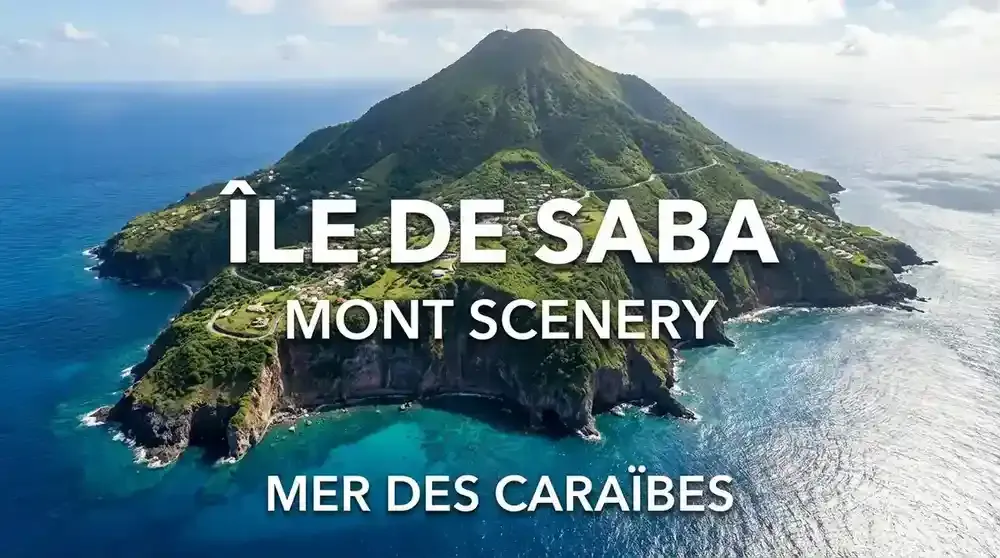
Saba diving ranks among the best Caribbean dive experiences you'll find anywhere in the world. This tiny Dutch island sits on an extinct volcano, and the underwater terrain reflects it—dramatic pinnacles rising from 100+ feet, walls covered in black coral, and regular encounters with sharks and sea turtles. The Saba Marine Park has protected these waters since 1987, making it one of the healthiest reef systems in the Caribbean.
Quick answer: Saba diving ranks among the best Caribbean dive experiences you'll find anywhere in the world. This tiny Dutch island sits on an extinct volcano, and the underwater terrain reflects it—dramatic pinnacles rising from 100+ feet, walls covered in black coral, and regular encounters with sharks and sea turtles. The Saba Marine Park has protected these waters since 1987, making it one of the healthiest reef systems in the Caribbean.
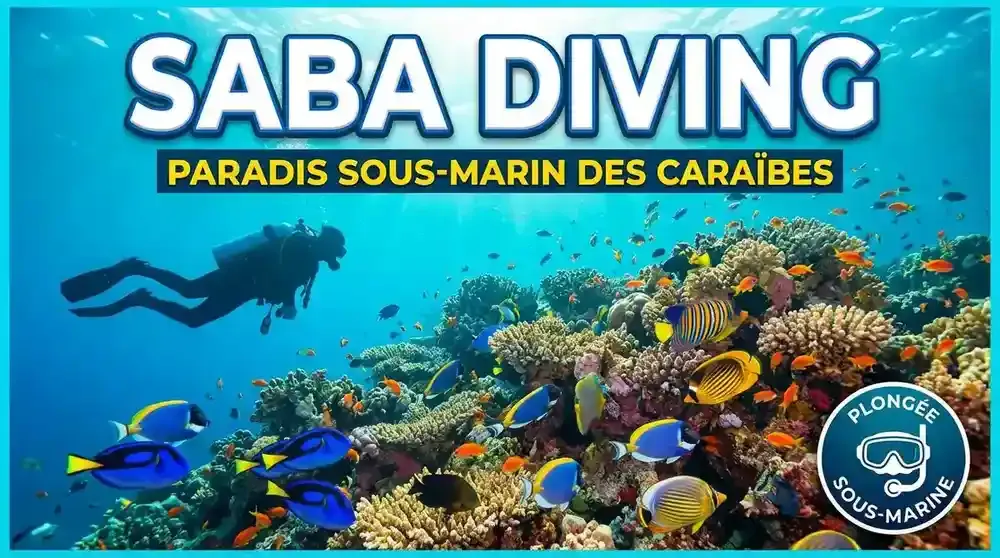
Why Saba Diving Stands Out in the Caribbean
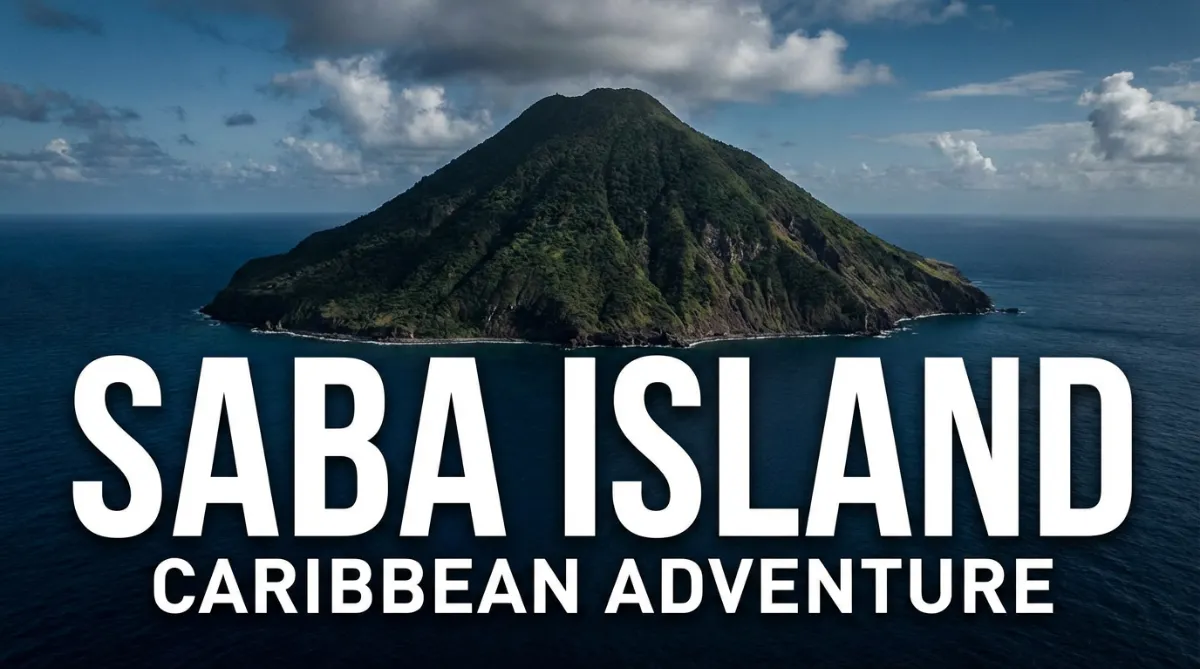
Most divers heading to the Caribbean end up in the usual spots—Cozumel, Bonaire, maybe the Caymans. Saba rarely makes the list, and that's exactly why it's worth the trip. The island measures just five square miles, has no beaches (seriously, none), and gets maybe 30,000 visitors a year. Compare that to Cozumel's half-million annual divers, and you start to understand what makes Saba diving special.
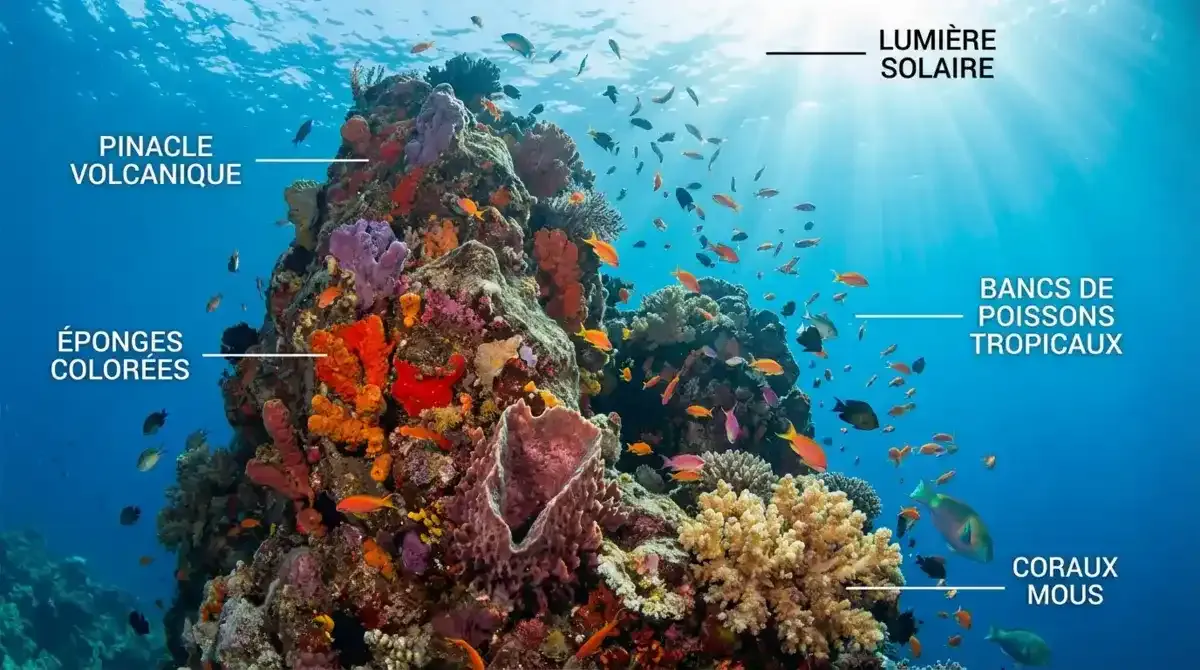
Saba's volcanic origins created underwater pinnacles—massive rock formations that rise from the sea floor at great depth beyond 300 feet up to within 60 feet of the surface. These structures act like underwater magnets for marine life. You'll find fish schooling in numbers you won't see at most Caribbean dive sites, plus the large pelagics that come in from the deep blue water.
The Saba Marine Park wraps around the entire island, protecting all 1,800 acres of underwater terrain. Fishing has been restricted within the park for decades, and it shows. The coral is healthy, the fish are abundant, and encounters with sharks happen on a regular basis. Caribbean reef sharks patrol several Saba dive sites, and nurse sharks are common year-round in these waters.
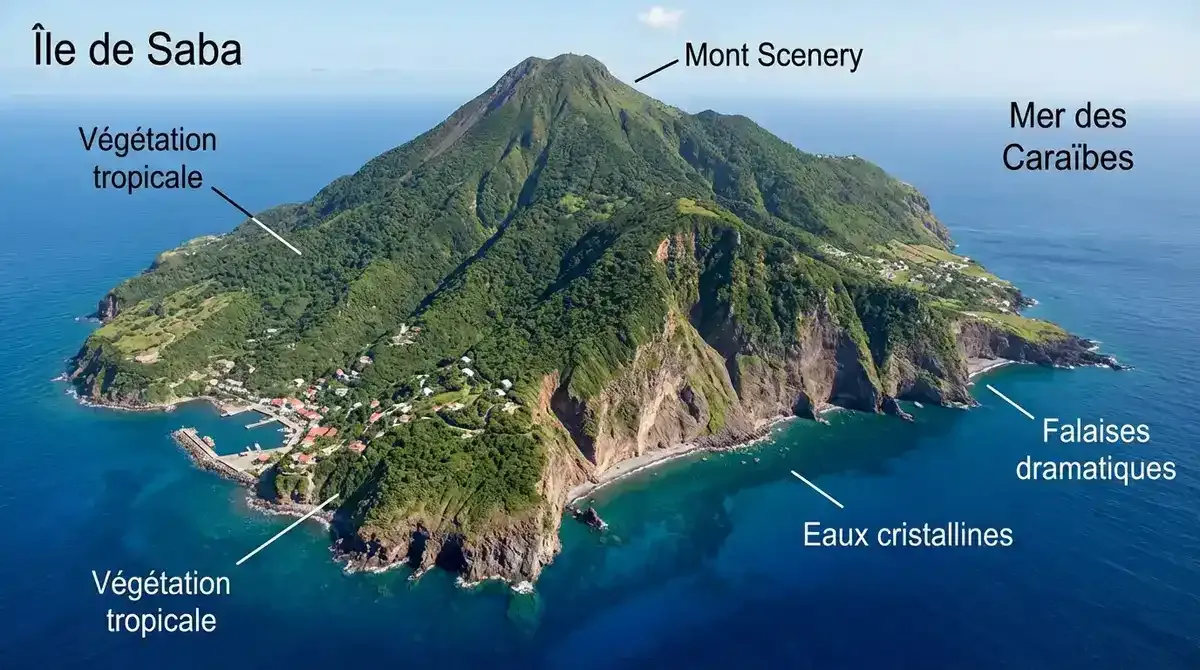
Top Saba Dive Sites to Explore
Saba packs about 30 named dive sites into its small marine park. Some Saba dives cater to beginners with shallow reefs and calm conditions, while others require advanced certification and experience with currents. Here's what to expect from the top spots around Saba.
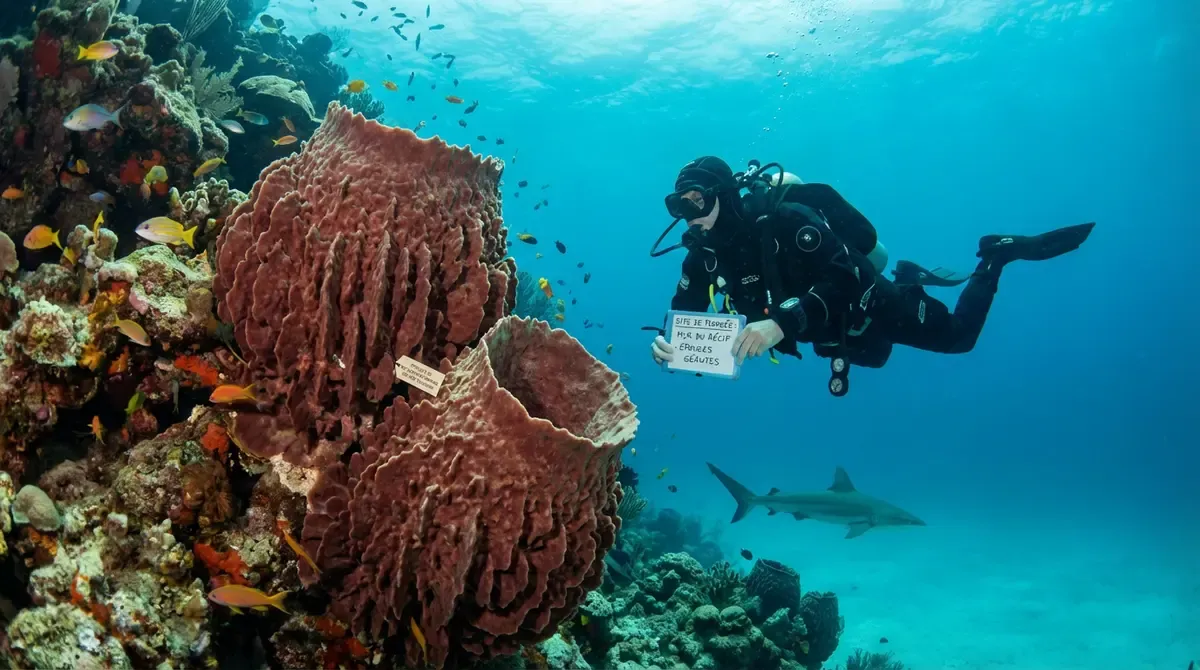
Third Encounter and Outer Limits: These two pinnacles sit on Saba's windward side and represent some of the most spectacular diving in the entire Caribbean. Third Encounter tops out around 95 feet depth, with walls dropping into the abyss. You'll see black coral, wire coral, and massive barrel sponges clinging to the volcanic rock. Outer Limits goes even deeper—advanced divers will find interesting terrain down to 130 feet. Sharks are common at these Saba dive sites, along with eagle rays and great barracuda.
Diamond Rock and Eye of the Needle: Diamond Rock stands as one of Saba's signature dives. This pinnacle breaks the surface and creates a landmark visible from shore. Underwater, the walls are covered in soft corals and sponges, and the marine life is constant. Eye of the Needle offers a swim-through passage in the rock formation that frames perfect photo opportunities for divers. Turtles often rest in the surrounding reef areas.
Tent Reef: Located on the leeward side where water conditions stay calmer, Tent Reef is perfect for night dives and for divers still building experience in Saba's waters. The reef structure here is classic Caribbean—brain corals, sea fans, and plenty of hiding spots for octopus and seahorses. Macro photographers and scuba divers love this Saba dive site.
Hot Springs: This site showcases Saba's volcanic character underwater. You can feel warm water seeping through cracks in the rock—actual geothermal activity. The mineral deposits create unusual coloration on the surrounding coral reef. It's one of Saba's most unique dives.
Planning Your Saba Diving Trip
Getting to Saba requires some effort, which is part of what keeps it uncrowded. There's no cruise ship dock and the airport runway is famously short—just 1,300 feet, one of the smallest commercial airports in the world. Most divers arrive by ferry from St. Maarten, a 90-minute boat ride on the Edge ferry that runs several days per week out of Simpson Bay.
The ferry from St. Maarten departs from Pelican Marina. Book your crossing in advance, especially during peak diving season (December through April). A few travelers prefer flying in on Winair from Maarten, but the approach into Juancho E. Yrausquin Airport isn't for the nervous. Once on island, Saba has one main road—appropriately named The Road—that connects the four villages: The Bottom (the capital), Windwardside, St. Johns, and Hell's Gate.
Saba diving works year-round, but conditions vary by season. December through May brings the calmest seas and best visibility for divers, often exceeding 100 feet. Water temperatures hover around 78-82°F, comfortable in a 3mm wetsuit for most dives. Summer months coincide with hurricane season in the Caribbean, but the diving around Saba is still great between storms with better rates and fewer divers sharing the top sites.
Saba Dive Operators and Prices
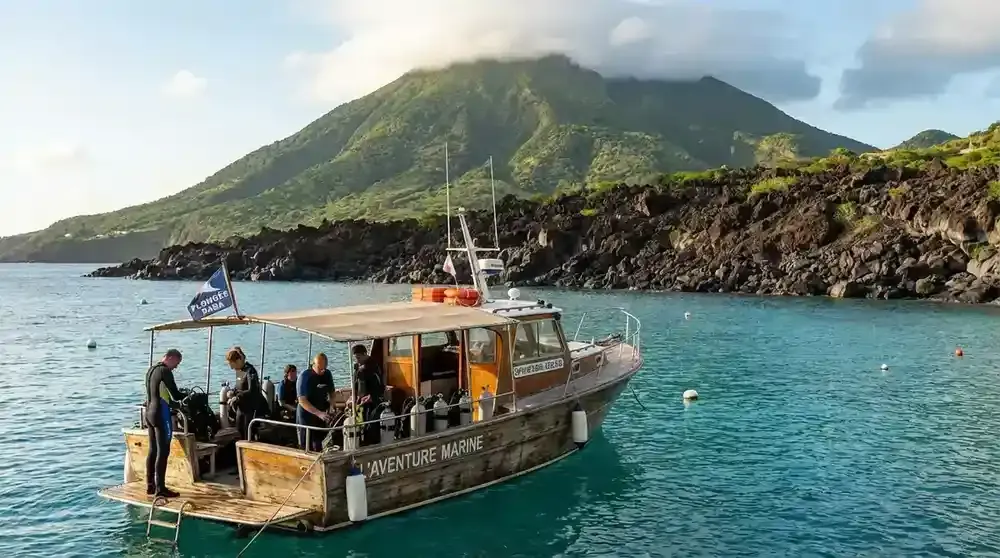
Three main dive centers operate on Saba, all running professional operations with experienced local guides who know Saba diving inside out. Sea Saba is the oldest and largest dive center, based in Windwardside near Fort Bay harbor. They run two boats and offer everything from discover scuba to technical diving courses for advanced divers.
Saba Divers operates from the same area and caters to smaller groups with deep knowledge of local Saba dive sites. Contact Saba Deep Dive Center for competitive rates and flexible scheduling—they round out the options for visiting divers. You can contact any of these operators directly to book your dives.
Expect to pay around $50-60 per tank dive at Saba, with packages bringing the cost down for multiple days of diving. The marine park fee adds $3 per dive, payable at your first session. All three Saba dive operators maintain rental gear, but bringing your own ensures fit and comfort on your dives.
Marine Life in Saba's Waters
Saba's protected waters host an unusual concentration of marine life for the Caribbean region. The volcanic substrate creates habitat diversity in these waters that flat sand bottoms simply can't match.
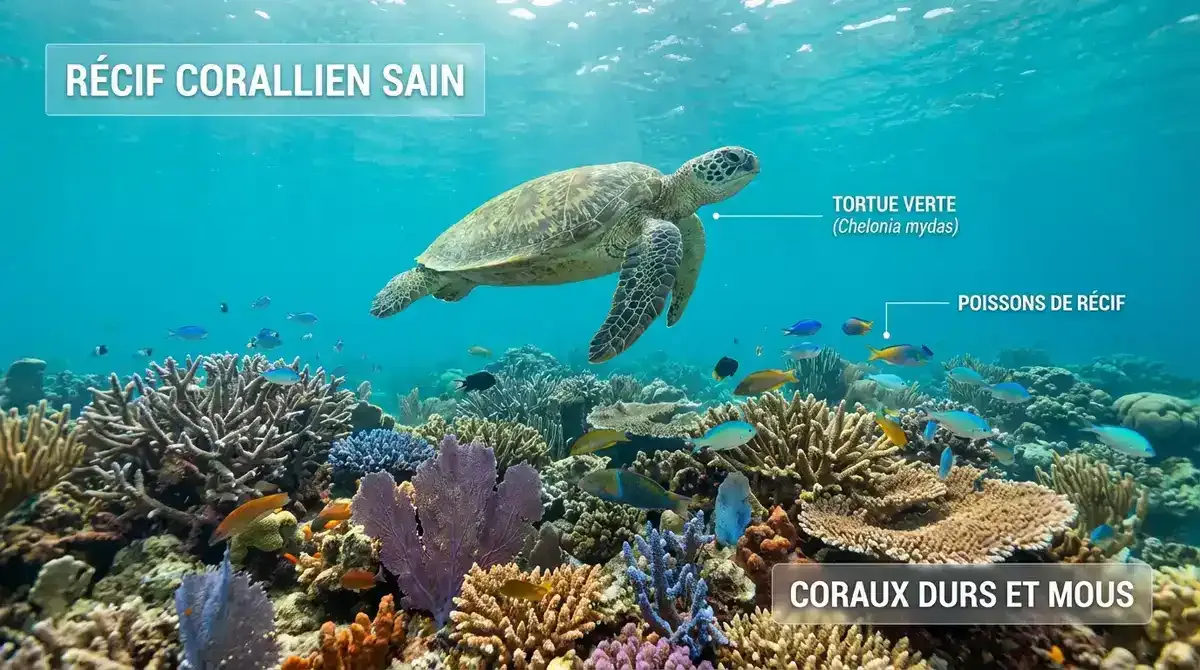
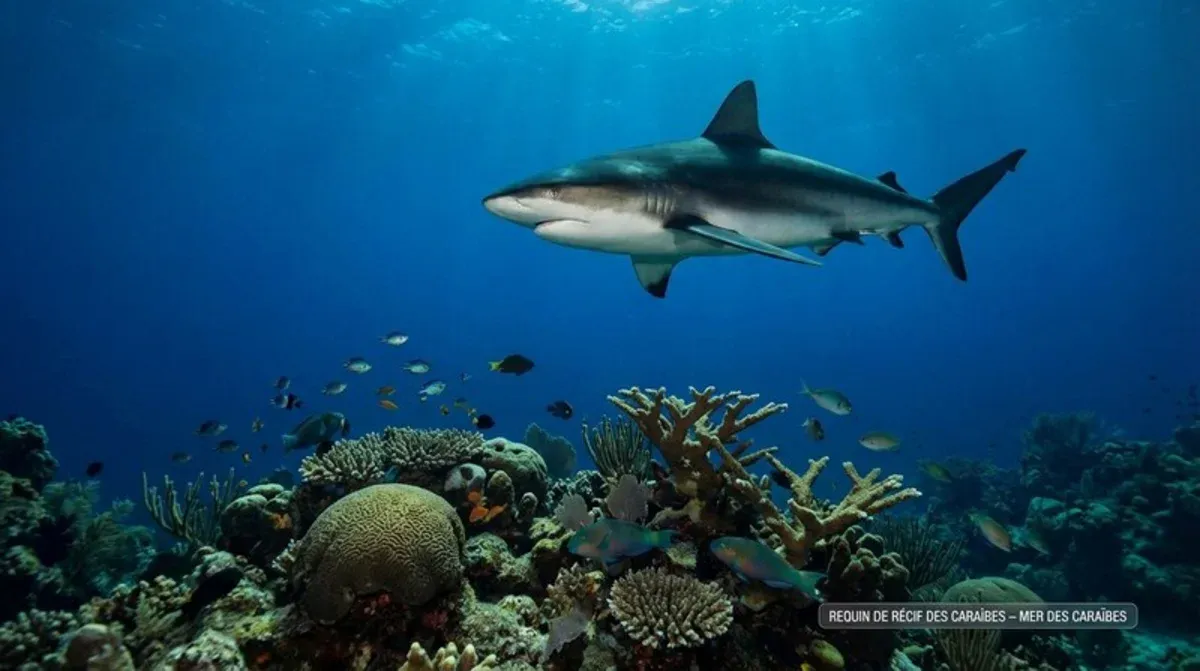
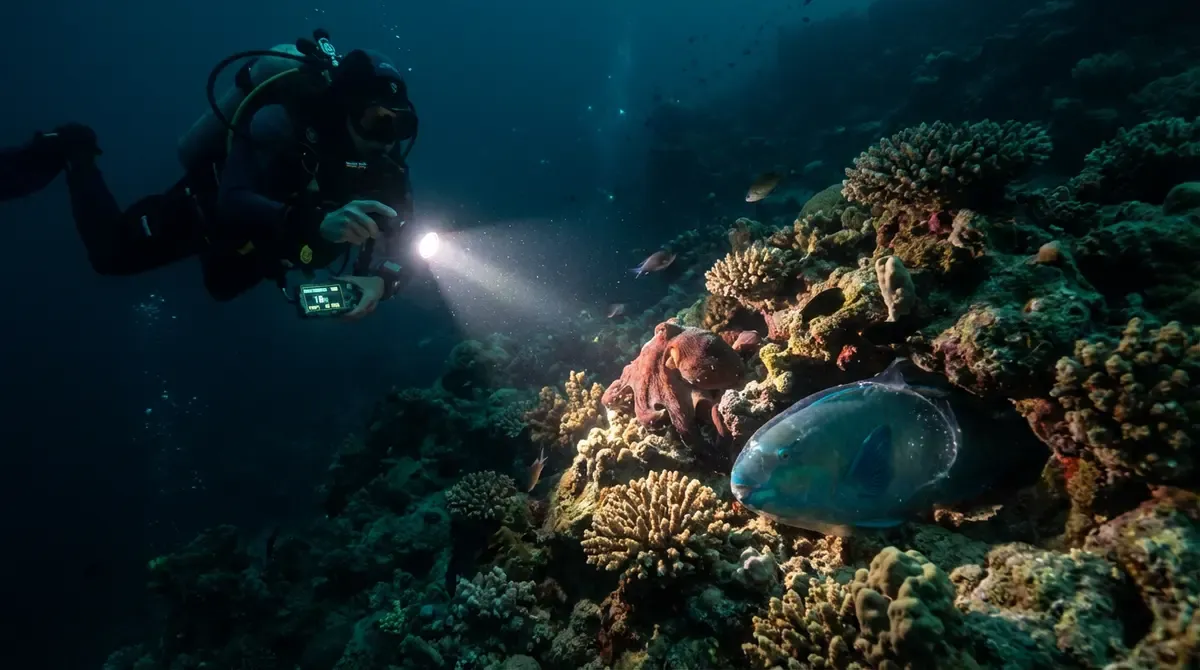
Caribbean reef sharks patrol most of the Saba pinnacle sites. They're curious but not aggressive, often circling divers at comfortable distances before moving on out into the blue. Nurse sharks rest under ledges during the day and become more active at night around the reefs. Sea turtles are everywhere in Saba's waters—green turtles, hawksbills, and occasional loggerheads. They've lost most of their fear of scuba divers and often allow close approaches for great photos.
The variety of reef fish in Saba exceeds what most Caribbean dive destinations offer. Large schools of horse-eye jacks swirl around the pinnacles. Macro photographers will find plenty to shoot in Saba's waters—seahorses hide in the seagrass areas, flamingo tongue snails perch on sea fans, and nudibranchs decorate the coral reefs.
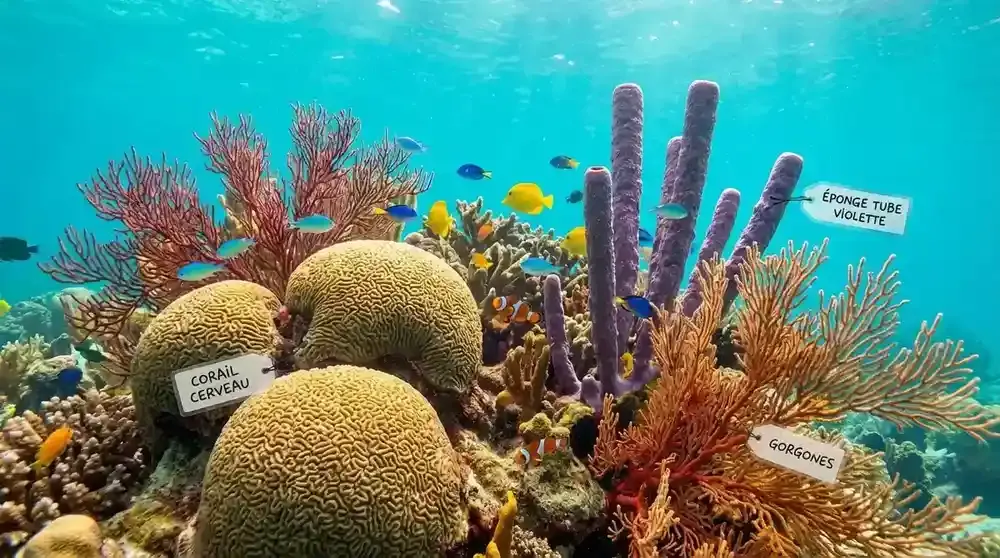
Saba's reefs are among the healthiest in the Caribbean, thanks to decades of marine park protection. Hard corals—brain coral, star coral, and elkhorn—form the reef structure. The black coral at deeper Saba dive sites is particularly impressive, some colonies measuring several feet across. The Saba Conservation Foundation monitors reef health and works with dive operators on conservation programs throughout the park.
Accommodations and Life Beyond Diving
Saba has about a dozen places to stay, ranging from simple guesthouses to boutique hotels. Queen's Garden Resort and Juliana's Hotel both work with Saba dive shops to offer packages that include accommodation, diving, and sometimes transport. Book early if you're traveling to Saba in winter—the island fills up during peak diving season.
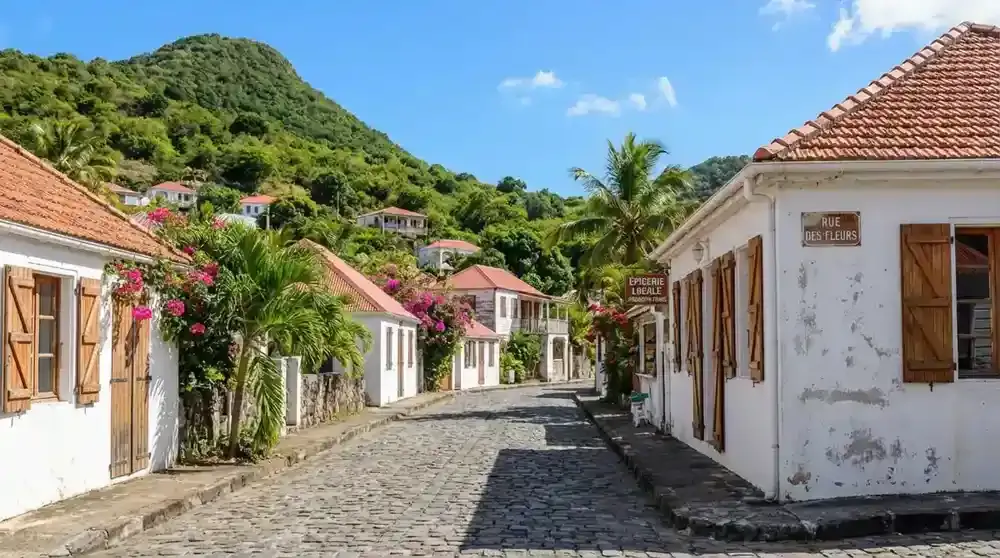
When you're not out diving, Saba offers hiking that rivals the great underwater views. Mount Scenery—the highest point in the Netherlands at 2,877 feet—has a trail to the summit through cloud forest. The villages themselves are postcard-perfect: white houses with red roofs, neat gardens, and almost zero traffic on Saba's famous Road.
Liveaboard vs. Land-Based Saba Diving
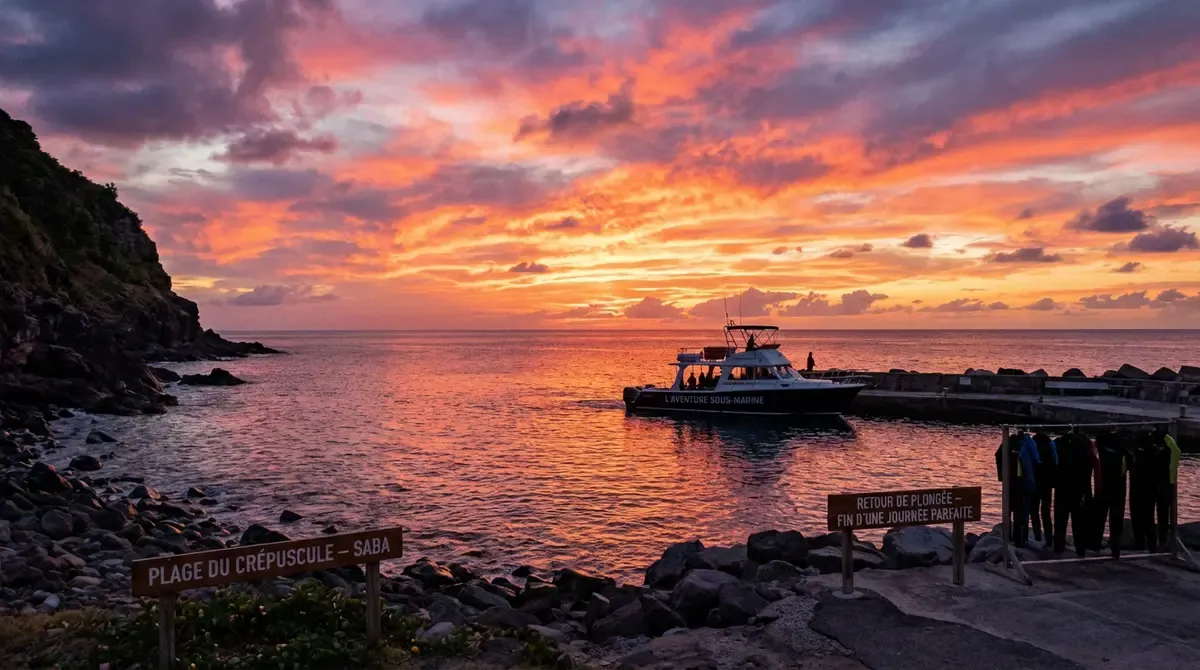
Land-based diving on Saba gives you flexibility. You can take a day off to hike or explore without feeling like you're wasting boat time. You'll interact more with the local Saba community and get a real feel for island life. The Saba dive sites are all within 20 minutes by boat from Fort Bay harbor, so you're not spending hours in transit.
Liveaboard trips maximize bottom time for serious divers. You'll do 4-5 dives per day, including night dives, and hit dive sites around St. Kitts and Statia that you'd otherwise miss. The crew handles all the logistics, and you wake up already on site for the first dive of the day. The Caribbean Explorer II runs week-long itineraries from Saba that cover all three islands.
What to Bring for Your Saba Trip
Packing for Saba requires some thought, given limited shopping options on the island and the conditions you'll encounter diving.
- Wetsuit: A 3mm is usually enough for Saba diving, but consider 5mm if you run cold or plan multiple dives daily
- Surface marker buoy: Top gear for pinnacle dives where currents can separate divers from the boat
- Dive computer: Rental options exist at Saba dive centers but bringing your own means reliability
- Reef-safe sunscreen: The Saba marine park appreciates it, and so does the coral
- Cash: US dollars work everywhere on Saba, but ATMs are scarce
- Motion sickness medication: The ferry from St. Maarten can get rough in certain conditions
Making the Most of a Few Days Diving Saba
If you can only spare a few days for Saba diving, prioritize the pinnacles. Third Encounter and Outer Limits should top your list—these are the dives you can't replicate elsewhere in the Caribbean. Add Diamond Rock for variety and Tent Reef for a night dive under the sea.
Four days gives you a balanced Saba trip: three days of diving (2-3 dives each day) plus time for a Mount Scenery hike and some village exploration. Don't skip the surface intervals between dives. Part of what makes Saba special is how different it is above water—the unspoiled character, the local community, the great views from every turn in The Road around the island.
Contact one of the Saba dive operators directly and let them help build your diving trip. They know current ferry schedules from Maarten, which hotels have availability, and which Saba dive sites are best at the moment. Whether you're a new diver looking to learn scuba in a pristine environment or an experienced diver searching for somewhere new in the Caribbean world, Saba diving delivers. The effort to get out to this island filters out the crowds, and what remains is some of the best diving the Caribbean has to offer.
Stay Updated with Funseaker News
Don't miss the latest updates from Caribbean yacht charter industry and Funseaker fleet news