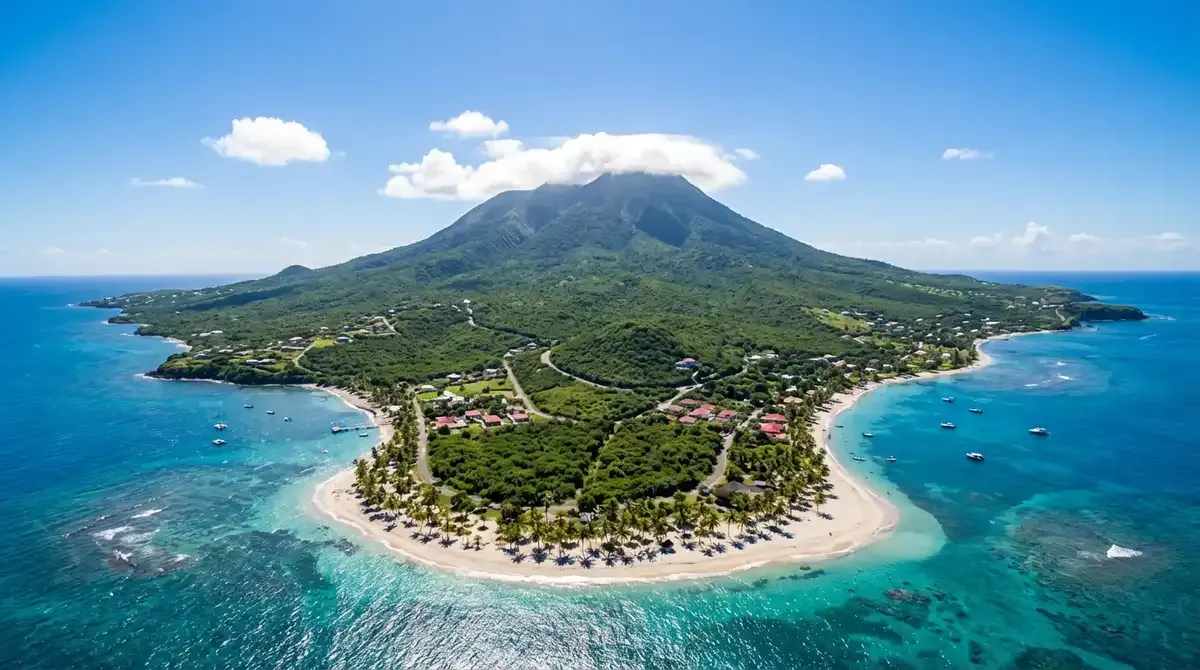
Looking for a Caribbean island that hasn't been overrun by mass tourism? Nevis sits just two miles southeast of St Kitts, yet most travelers have never heard of it. This 36-square-mile volcanic island draws fewer than 50,000 visitors per year—compare that to millions flooding nearby destinations. What makes Nevis different? Pristine beaches without crowds, plantation hotels with genuine history, and a pace of life that stopped rushing somewhere around 1985.
Looking for a Caribbean island that hasn't been overrun by mass tourism? Nevis sits just two miles southeast of St Kitts, yet most travelers have never heard of it. This 36-square-mile volcanic island draws fewer than 50,000 visitors per year—compare that to millions flooding nearby destinations. What makes Nevis different? Pristine beaches without crowds, plantation hotels with genuine history, and a pace of life that stopped rushing somewhere around 1985.
Where Is Nevis Island and How Do You Get There?
Nevis lies in the eastern Caribbean Sea, forming part of the Leeward Islands chain. Together with St Kitts, it makes up the Federation of Saint Kitts and Nevis—the smallest sovereign nation in the Western Hemisphere. The island sits about 225 miles east of Puerto Rico and roughly 1,300 miles south of Miami.
Getting to Nevis requires a bit more effort than reaching major Caribbean hubs, which is precisely what keeps it unspoiled. Most international travelers fly into Robert L. Bradshaw International Airport on St Kitts, then catch a 45-minute ferry from Basseterre across the Narrows strait. The ferry runs multiple times per day, with tickets costing around $12 per person each way.
Vance W. Amory International Airport on Nevis handles smaller aircraft, with direct flights from San Juan, Antigua, and neighboring islands. American Eagle and regional carriers like LIAT provide connections. Private charter options exist for those willing to pay a premium for convenience.
Nevis Peak: The Volcanic Heart of the Island
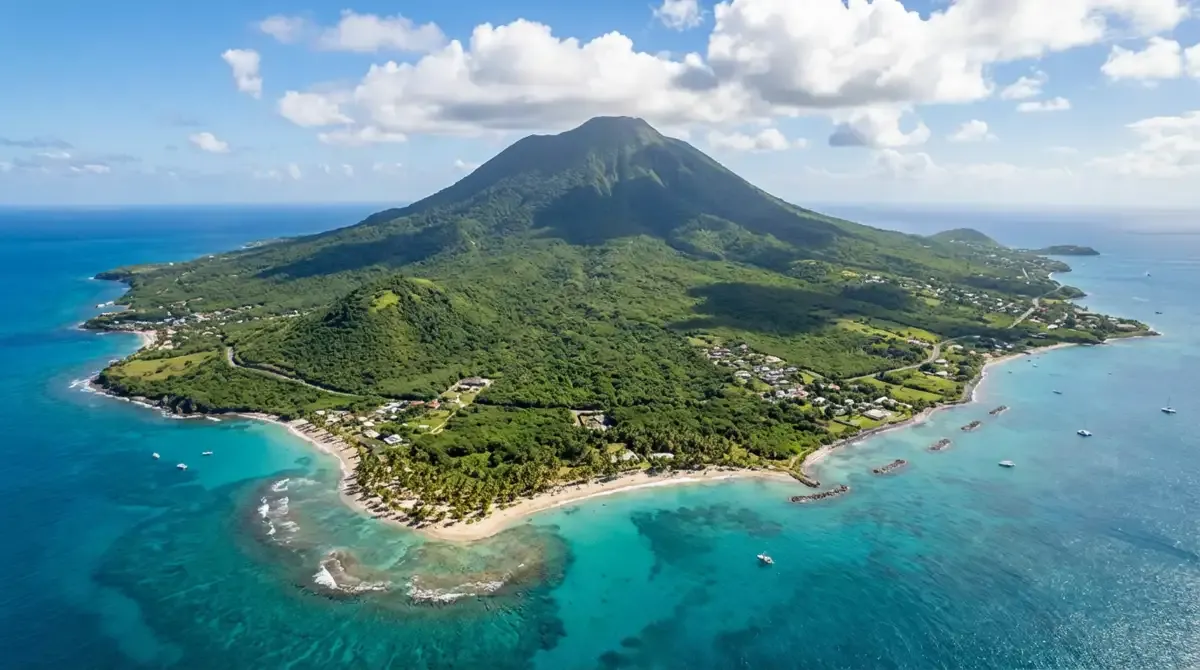
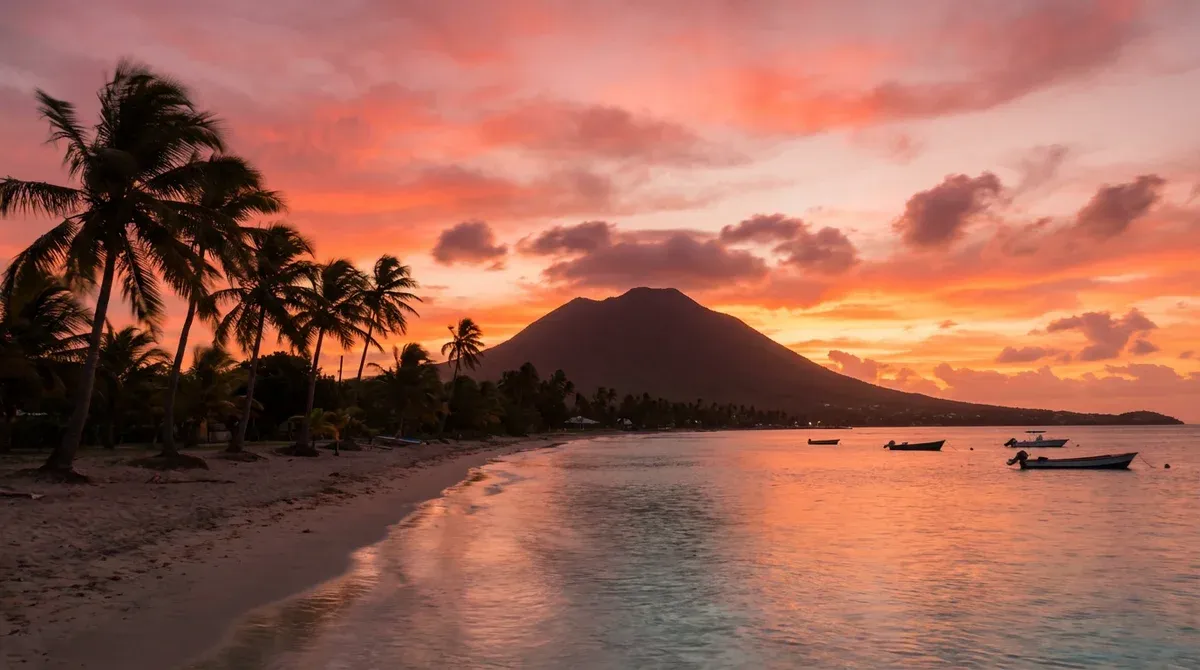
Nevis Peak dominates the island's geography, rising 3,232 feet from sea level. This dormant stratovolcano creates the island's cone shape—Spanish explorers supposedly named it "Nuestra Señora de las Nieves" (Our Lady of the Snows) because clouds wrapping the summit resembled snow caps. That name eventually shortened to Nevis.
Hiking Mount Nevis takes four to six hours round trip through tropical rainforest. The trail passes through five distinct ecological zones, starting in dry coastal woodland and ending in elfin cloud forest near the summit. Guides are mandatory—not for legal reasons but because the paths fade into dense vegetation above 2,000 feet. Herbert's Heights trail offers the most common route, with experienced local guides charging around $50 per person.
Hot springs bubble up at several locations around the peak's base, including Bath Village on the island's south side. These natural thermal waters were famous in colonial times as a cure for various ailments. Today, the Bath Hotel ruins stand as a reminder of when 18th-century plantation owners traveled here seeking the waters' supposed healing properties.
Pinney's Beach: The Island's Crown Jewel
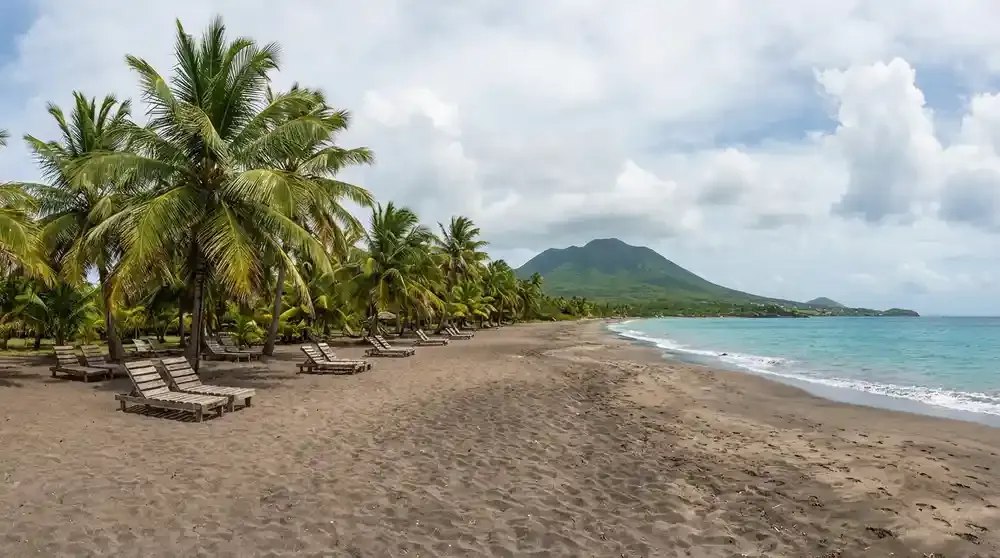
Pinney's Beach stretches three miles along Nevis's western shore, widely considered one of the finest beaches in all the Caribbean. Dark volcanic sand gives way to crystal water that stays calm year-round thanks to protection from Nevis Peak's massive shadow. Palm trees line the entire length, providing natural shade without the need for umbrellas.
What separates Pinney's from overcrowded tourist beaches? Space. You can walk for twenty minutes without passing another person on quiet weekdays. No high-rise hotels mar the view. No jet ski operators buzz past every few minutes. Just sand, sea, and the occasional beach bar playing reggae at reasonable volumes.
Beach bars dot the shoreline at intervals—Sunshine's Bar became legendary for its rum punch and grilled lobster. Double Deuce and Chrishi Beach Club offer similar vibes with cold Carib beer and fresh seafood. The snorkeling around Caribbean islands like Nevis reveals pristine underwater ecosystems right off the beach.
Four Seasons Resort Nevis: Luxury Meets History
Four Seasons Resort Nevis occupies 350 acres along Pinney's Beach, making it the island's flagship luxury property. The resort features 196 guest rooms plus private villas, a Robert Trent Jones II golf course, spa facilities, and multiple restaurants. Rates during peak season typically run between $800 and $2,500 per night depending on accommodation type.
Beyond Four Seasons, Nevis pioneered a unique lodging concept: plantation inns. Historic sugar estates converted into boutique hotels preserve colonial architecture while offering intimate accommodations impossible to find at chain properties. Montpelier Plantation and Beach became one of Princess Diana's favorite hideaways. Golden Rock Inn occupies an 1815 estate with just 11 rooms. Nisbet Plantation Beach Club operates from a 1778 great house.
These plantation hotels share common features: historic great houses as main buildings, cottages scattered across tropical gardens, farm-to-table dining, and staff who remember returning guests by name. Nightly rates range from $300 to $800, positioning them between budget options and the Four Seasons price point.
Oualie Beach Hotel: The Local Favorite
Oualie Beach Hotel offers 32 rooms right on Oualie Beach, the island's primary water sports hub. The property attracts a loyal following among travelers who find Four Seasons too polished and plantation inns too remote. Direct beach access, on-site dive shop, restaurant, and bar—all without pretension or excessive pricing. Room rates hover around $200 per night, making it Nevis's best mid-range option.
Alexander Hamilton's Birthplace
Nevis gained unexpected fame when Lin-Manuel Miranda's Broadway musical turned Alexander Hamilton into a household name. Hamilton was born on Nevis on January 11, either 1755 or 1757 (records conflict). His birthplace in Charlestown now houses a small museum dedicated to his early life on the island.
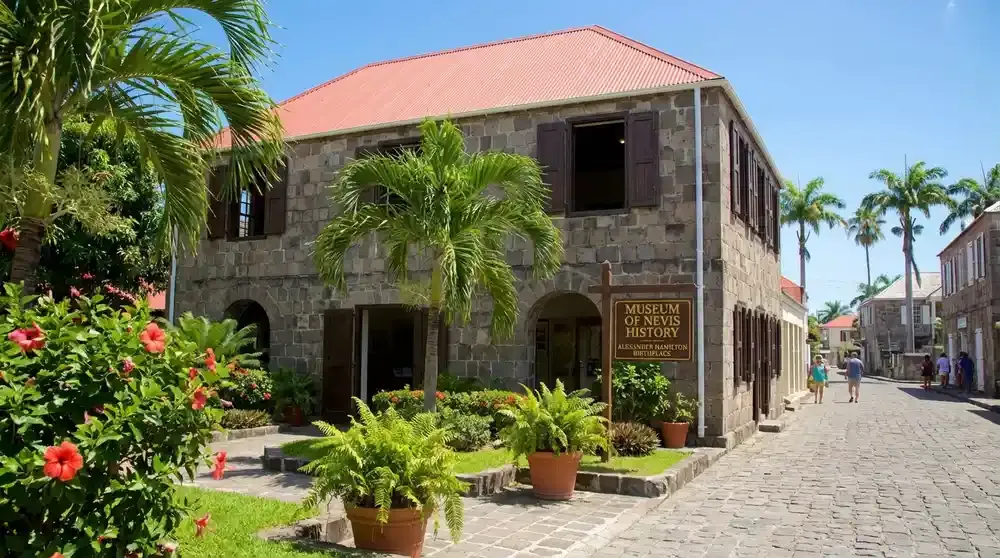
The Museum of Nevis History occupies the Hamilton birthplace site, though the original house no longer stands. Exhibits cover Hamilton's Nevisian roots, including his mother Rachel Faucette's history on the island. Artifacts include period furniture, documents, and maps showing 18th-century Nevis when sugar plantations dominated the economy.
Hamilton left Nevis around age 11 and never returned, but his connection brings curious history buffs to this otherwise overlooked Caribbean spot. The museum charges modest admission and doubles as the island's historical society headquarters.
British Colonial Heritage and Sugar History
Sugar defined Nevis for 300 years. British colonizers arrived in 1628, establishing plantations that would make the island one of the wealthiest places per capita in the entire British Empire during the 17th and 18th centuries. At peak production, over 100 sugar estates operated simultaneously, worked by enslaved Africans under brutal conditions.
Ruins of sugar works scatter across the landscape today. Stone windmill towers stand in various states of decay, their crushing machinery long silent. The Hermitage Plantation dates to 1640, with the oldest surviving wooden house in the Caribbean still standing on its grounds. Eden Brown Estate earned a haunted reputation after a duel killed both the bride's betrothed and his best man on her wedding day.
Understanding this history requires confronting uncomfortable truths. The plantation inns travelers enjoy today exist because of enslaved labor. Many properties now include interpretive information about this history, acknowledging the suffering that built these now-charming estates. The Nevis Historical and Conservation Society maintains records and promotes education about this complex heritage.
Local Food and Nevisian Dining
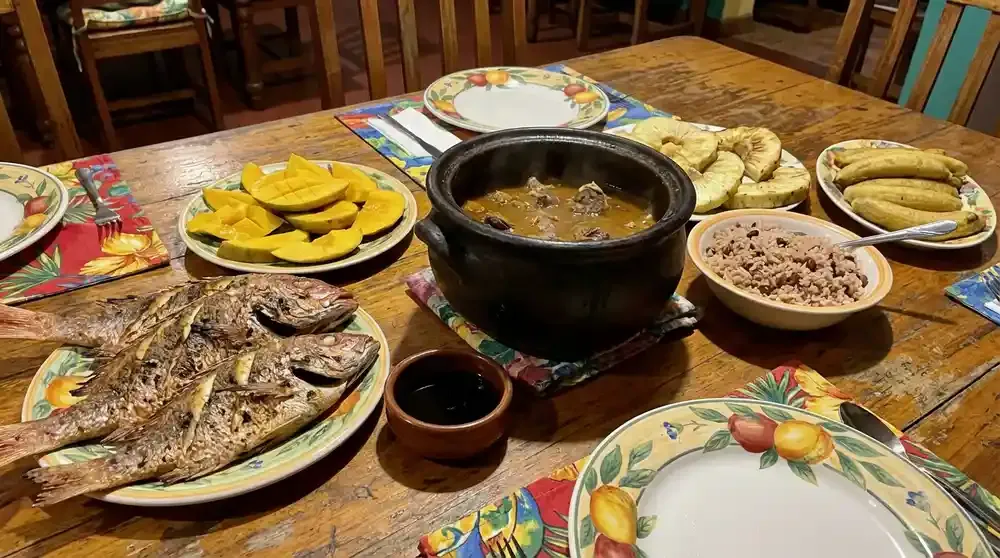
Nevisian cuisine blends Caribbean, African, and British influences with heavy emphasis on fresh seafood and tropical produce. Goat water—a thick stew of goat meat simmered with breadfruit, dumplings, and local spices—ranks as the national dish. Don't let the name fool you; it's hearty comfort food, not something watery.
Local restaurants worth seeking out include Bananas on the Beach, Cafe des Arts in Charlestown, and the Yachtsman Grill near Oualie Beach. Prices run higher than you might expect—$20-40 per person for dinner—reflecting the island's reliance on imported goods alongside fresh local catch.
Mango Madness festival each July celebrates the island's abundant mango varieties. Culinary competitions, cooking demonstrations, and mango-everything menus take over restaurants across Nevis. Timing a visit around this event combines tropical fruit obsession with genuine local culture.
Where to Eat Fresh Seafood
For the freshest fish, head to the fishing cooperative pier in Charlestown early morning when boats return with the night's catch. You won't find a restaurant there, but knowing where locals source their seafood tells you which establishments serve genuinely fresh product. Restaurants including Montpelier's Table and Nisbet's Coconut Grove buy directly from these fishermen daily.
Things to Do Beyond the Beach
Botanical gardens offer peaceful afternoon escapes from beach lounging. The Botanical Garden of Nevis spans seven acres at the Montpelier estate, featuring tropical plants, a Thai-inspired Buddha garden, and rainforest conservatory. The gardens incorporate Mayan sculptures and water features among native and exotic species.
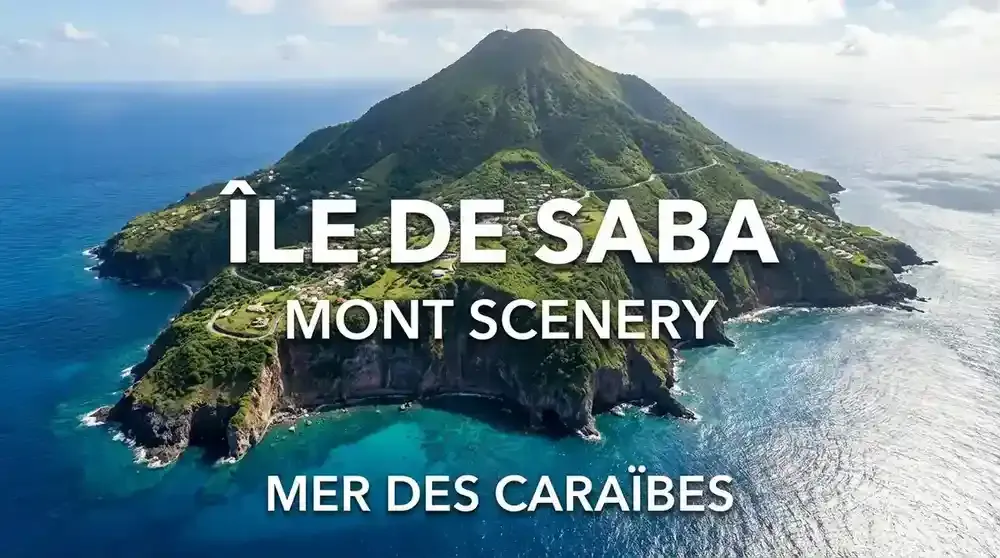
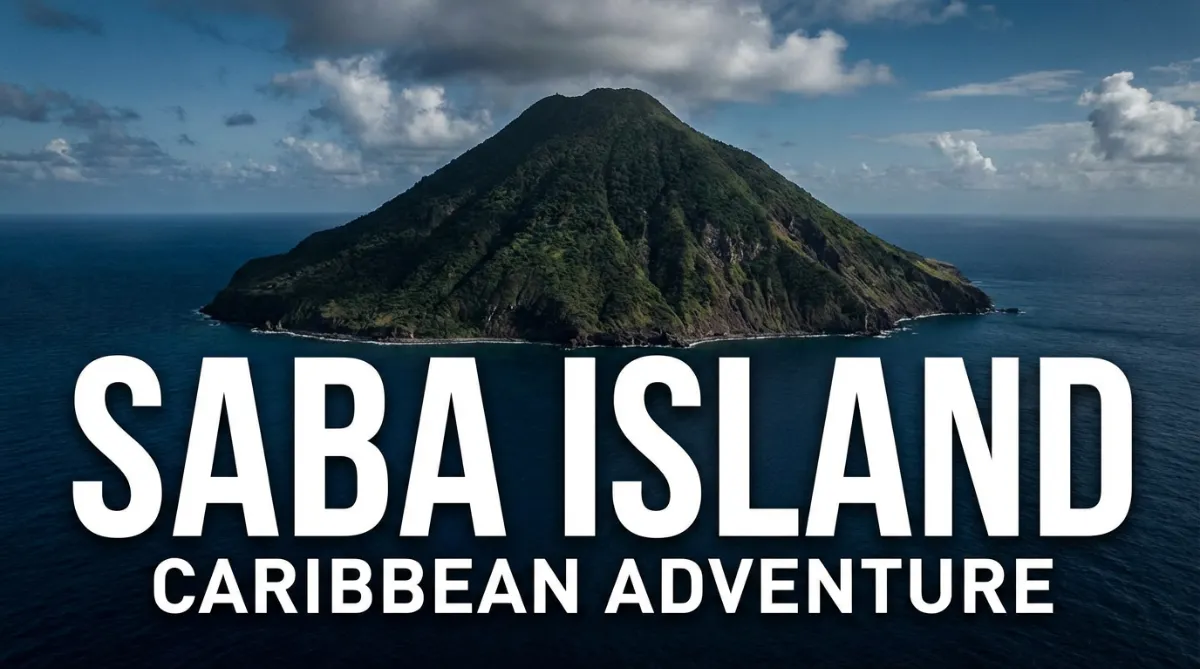
Snorkeling and diving around Nevis reveal underwater ecosystems untouched by heavy traffic. Oualie Beach provides easy shore access to coral formations, while boat excursions reach offshore sites including the Monkey Shoals and deeper wall dives. Sea turtles, rays, and reef fish populate these waters year-round. If you're exploring the region, Saba Island offers even more dramatic diving opportunities just a short flight away.
Horseback riding along beaches and through plantation grounds appeals to travelers seeking land-based adventure. Several stables offer guided rides lasting from one to three hours, traversing terrain from beach sand to rainforest trails. Hermitage Stables at the Hermitage Inn runs highly regarded excursions.
Day Trips to St Kitts
St Kitts sits just 45 minutes away by ferry, making day trips easy for travelers based on Nevis. Brimstone Hill Fortress, a UNESCO World Heritage Site, justifies the crossing alone. This 17th-century fortress perches atop an 800-foot volcanic outcrop, offering views across both islands and the surrounding sea. The scenic railway circling St Kitts provides another unique attraction unavailable on quieter Nevis.
Citizenship by Investment Program
Saint Kitts and Nevis operates one of the world's oldest citizenship-by-investment programs, established in 1984. Qualified applicants gain citizenship through real estate investment (minimum $400,000 in approved developments) or contributions to the Sustainable Island State Contribution fund (starting at $250,000 for a single applicant).
Benefits include visa-free travel to roughly 150 countries, including the United Kingdom, European Schengen states, and many Asian nations. No residency requirements apply—citizenship holders need not live in or even visit the islands after approval. The program attracts investors seeking second citizenship for business travel flexibility, tax planning, or political diversification.
Processing typically takes four to six months through approved service providers. The government maintains strict due diligence standards, rejecting applicants with criminal histories or questionable fund sources. Annual investment volumes fluctuate based on global economic conditions and competing programs in Dominica, Grenada, and other jurisdictions.
Best Time to Visit Nevis
Peak season runs December through April, bringing dry weather, cooling trade winds, and highest prices. North American and European visitors escape winter cold, filling hotels and driving rates to yearly maximums. The period offers ideal conditions but requires booking accommodations months in advance for popular plantation inns.
Shoulder seasons—May through June and November—deliver excellent weather with fewer crowds and reduced prices. Rainfall increases slightly, typically as brief afternoon showers that clear within an hour. Rates drop 20-40% from peak levels while conditions remain pleasant for beach activities.
Hurricane season officially spans June through November, with September and October carrying highest risk. Most tropical systems miss Nevis, but the threat reduces tourism and drives prices lower. Travelers willing to monitor weather forecasts and accept some uncertainty can find significant savings, just ensure your travel insurance covers hurricane-related disruptions.
Cost of Living and Travel Budget
Nevis isn't a budget destination. Island economics—importing most goods via sea freight, limited competition, high wages by Caribbean standards—push prices above regional averages. A realistic daily budget breaks down roughly as follows:
- Budget travelers: $150-200 per night (guesthouse, local restaurants, limited activities)
- Mid-range: $350-500 per night (plantation inn or Oualie Beach Hotel, nice dinners, some excursions)
- Luxury: $1,000+ per night (Four Seasons, fine dining, private tours, spa services)
Restaurant meals typically cost $15-25 for lunch and $30-50 for dinner per person including beverages. Beer runs $4-6 per bottle, cocktails $10-15. Taxi fares across the island rarely exceed $25-30, though renting a car ($50-70 per day) offers flexibility for independent exploration.
The Eastern Caribbean Dollar (XCD) serves as official currency, pegged to the US dollar at approximately 2.70 XCD = 1 USD. American dollars circulate freely, accepted everywhere at this standard exchange rate. Credit cards work at hotels and larger restaurants; smaller establishments often prefer cash.
Getting Around the Island
Nevis measures just eight miles long by six miles wide, making the entire island easily explorable in a single day. The main road circles the coastline, with branch roads climbing toward Nevis Peak or connecting interior villages. Driving takes perhaps 40 minutes to complete the full coastal loop without stops.
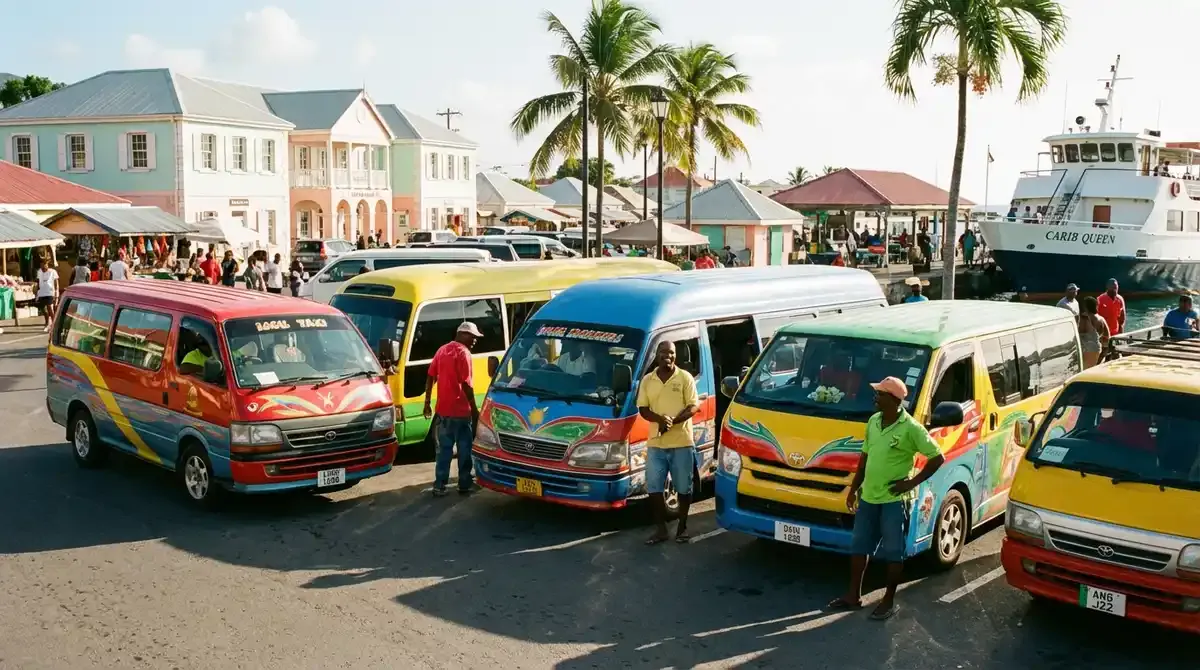
Taxis congregate at the ferry terminal and major hotels. Rates follow government-set zones rather than meters—ask your driver the fare before departing to avoid surprises. Most taxi operators also offer island tours lasting two to three hours, covering major sites including Charlestown, plantation ruins, and key beaches.
Rental cars provide maximum freedom, though driving occurs on the left (British style) and road conditions vary from smooth pavement to potholed tracks. Several agencies operate near the ferry terminal and airport. A valid temporary driving permit ($24) is required, obtainable through your rental company.
Water Taxis and Ferry Options
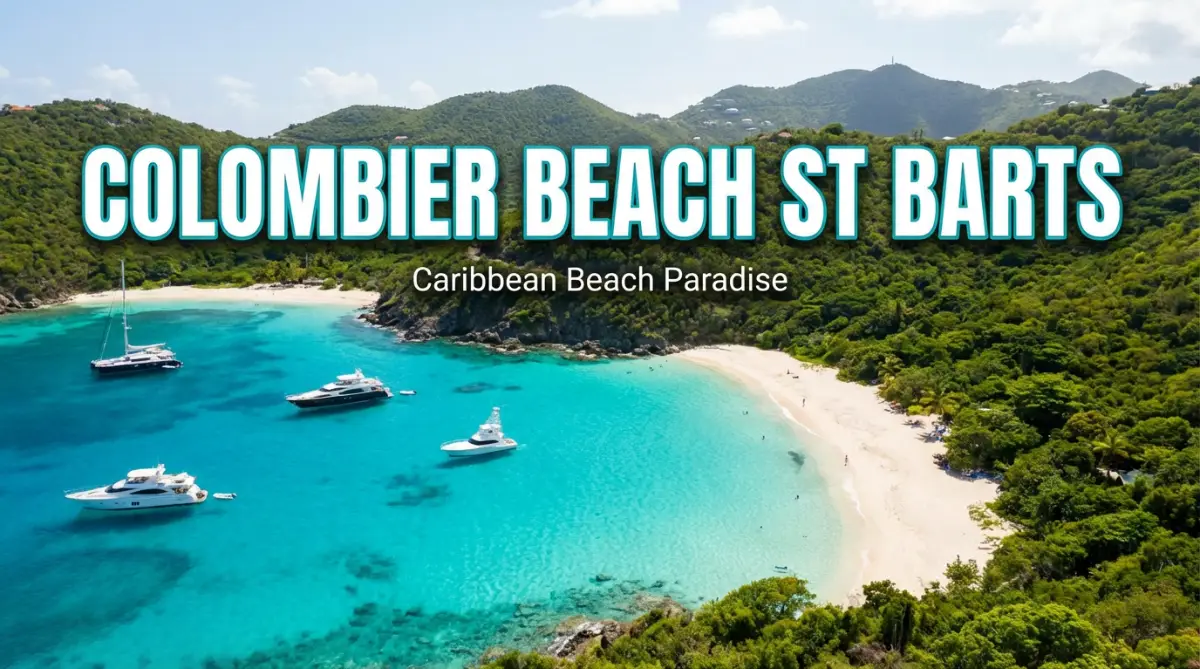
Water taxi services connect Nevis to St Kitts outside regular ferry schedules, useful for travelers missing the last public boat or seeking more direct routing. Private boats can also be arranged for excursions to nearby deserted beaches or snorkeling spots inaccessible by land. The best beaches in St Barts are also reachable from this part of the Caribbean for those planning extended island-hopping itineraries.
Safe Travel and Local Tips
Nevis ranks among the safest Caribbean destinations for travelers. Violent crime against tourists is exceptionally rare. Petty theft occurs occasionally—secure valuables in hotel safes and avoid leaving bags unattended on beaches—but the island's small population means criminals face high detection risk.
Walking around Charlestown and other villages feels comfortable day or night. Locals typically greet strangers with genuine warmth, expecting acknowledgment in return. A simple "good morning" or "good afternoon" goes far in establishing rapport with Nevisian people.
Health considerations include standard tropical precautions: drink bottled water, apply sunscreen religiously, use insect repellent to prevent mosquito bites. No malaria risk exists, but dengue fever occurs occasionally throughout the Caribbean. The Alexandra Hospital in Charlestown handles routine medical needs; serious emergencies require air evacuation to Puerto Rico or other facilities.
Adventure Activities Around Nevis
Beyond standard beach and water activities, Nevis offers several unique adventures for active travelers. Zip-lining through rainforest canopy operates from Sky Safari, reaching speeds up to 40 mph across the island's interior valleys. Mountain biking trails crisscross plantation lands and coastal routes.
Deep-sea fishing charters depart regularly, targeting marlin, wahoo, mahi-mahi, and tuna in offshore waters. Half-day trips typically run $400-600 for the boat regardless of passenger count. The Nevis Yacht Club organizes regattas and sailing events throughout the year.
For something completely different, the volcanic hot springs at Bath Village offer therapeutic soaking in natural mineral waters. Once fashionable among 18th-century elite, these springs now provide an affordable local experience far removed from resort spa pricing. Exploring similar volcanic landscapes, The Baths at Virgin Gorda showcase dramatic boulder formations in another part of the Caribbean.
Planning Your First Trip to Nevis
A first visit to Nevis works best with four to seven nights, allowing sufficient time to decompress from travel stress and settle into island rhythms. Shorter stays feel rushed; the island rewards those who stop trying to accomplish things and simply exist in its unhurried atmosphere.
Book accommodations well ahead for December through April visits—plantation inns have limited rooms and loyal repeat guests who reserve years in advance. Summer travel offers more flexibility but expect some closures; certain properties and restaurants shut down during September and October's lowest season.
Pack light, casual clothing suitable for tropical heat and humidity. Dress codes barely exist beyond "no swimwear at dinner." Bring reef-safe sunscreen to protect both yourself and marine ecosystems. A light rain jacket proves useful during occasional showers, and sturdy shoes help on hiking trails or uneven historic site terrain.
Nevis isn't trying to compete with Cancun or Nassau. It attracts travelers actively seeking what other places aren't: authentic community, preserved history, natural beauty without artificial enhancement, and genuine tranquility. If that sounds appealing, this small volcanic island in the eastern Caribbean Sea might become your new favorite place on earth.
Stay Updated with Funseaker News
Don't miss the latest updates from Caribbean yacht charter industry and Funseaker fleet news